Sunday, 17 February 2019

Reflections on ... Secret Ceremony (1968)


/ Italian movie poster for Secret Ceremony via /

Glittering hedonists Elizabeth Taylor and Richard Burton were the foremost show business power couple of the last century. (I’m sorry, but Kanye and Kim who?). As world-famous and tabloid-friendly as the tempestuous, jet-setting and hard-drinking duo were, the actual films they made together and individually during their marriage were mostly notorious mega-bombs. Some, though, were genuinely interesting and deserve reappraisal. Take, For instance, Secret Ceremony (1968).


Pop culture theorist Camille Paglia has rhapsodized about the impact of seeing Secret Ceremony on its original release. “One of the most spectacular moments of my movie-going career occurred in college as I watched Joseph Losey’s bizarre Secret Ceremony,” she would recall in her essay “Elizabeth Taylor: Hollywood’s Pagan Queen” in the March 1992 issue of Penthouse magazine. “Halfway through the film, inexplicably and without warning, Elizabeth Taylor in a violet velvet suit and turban suddenly walks across the screen in front of a wall of sea-green tiles. It is an overcast London day; the steel-grey light makes the violet and green iridescent. This is Elizabeth Taylor at her most vibrant, mysterious and alluring at the peak of her mature fleshy glamour. I happened to be sitting with a male friend, one of the gay aesthetes who had such a profound impact on my imagination. We both cried out at the same time, alarming other theatregoers. This vivid silent tableau is for me one of the classic scenes in the history of cinema.”


/ A vision in violet: via /

Seen today, peculiar London-set late 1960s psychodramas Secret Ceremony is the type of film John Waters would describe as a “failed art movie” – but that’s one of my favourite genres, and if you’re going to make a failed art movie, make it this wildly baroque, weird and claustrophobic! Screen diva Taylor (at the zenith of her zaftig double-chinned, caftan-wearing era) stars as Leonara, a blowsy middle-aged prostitute tormented by the memory of the death of her young daughter by drowning. One day profoundly disturbed and deluded poor little rich girl Cenci (post-Rosemary’s Baby Mia Farrow at her most waif-like) latches onto her and decides Leonara represents the return of her recently-deceased mother, dragging her back to her haunted art nouveau mansion in Holland Park. Leonora soon clashes with Robert Mitchum as Albert, Cenci’s sexually predatory stepfather. From there things just get progressively more twisted!


/ Elizabeth Taylor: the caftan years (albeit a caftan by Dior) /


/ Frankly psychotic nymphette Cenci. You may find Farrow's performance begins to grate as the film progresses /

Secret Ceremony keeps threatening to turn into a horror movie and never quite delivers – but it is satisfyingly jarring and gothic, nonetheless. Taylor in shrewish bitch goddess-mode is hypnotically compelling as only she can be. At one point, Leonara hungrily gobbles a big fried breakfast and loudly belches – a moment worthy of Divine! There’s a reason Taylor is revered as a campy queer icon! (Cruelly, the film repeatedly draws attention to Taylor’s matronly weight. “I’m so fat!” Leonara wails to Cenci, surveying herself in a mirror. Later, Albert tells Leonara “You look more like a cow than my late wife. No offense - I'm very fond of cows”).  The fragile and intense Farrow hams it up as a demented child-like pixie. Secret Ceremony is effortlessly stolen from them both, though, by the torpid Mitchum, who breathes complexity and humanity into the perverse role of Albert.  


/ Gruesome twosome: Albert (Robert Mitchum) and Cenci (Mia Farrow) /


/ The bathtub scene was apparently considered the hint of depravity in 1968, hinting at both lesbianism and incest /

No spoilers, but out of this freakily dysfunctional trio, only one will survive and they will mutter to themselves, “There were two mice fell in a bucket of milk. One yelled for help and drowned. The other kept pedaling around until, in the morning, he found himself on top of butter”. Watch for the closing credits, which announce Taylor’s wardrobe is via Dior and her hairstyles by Alexandre de Paris. The film is like a lesbianic, female-centred version of director Joseph Losey’s earlier, more celebrated movie The Servant (1963). Secret Ceremony almost certainly suffered at the box office by the failure of the even-more berserk Boom! (1968), the flop film based on a Tennessee Williams play Losey made with Taylor and Burton that same year - another movie I love!


Further reading:

My analysis of the other Elizabeth Taylor / Joseph Losey "failed art movie"of 1968 - the infamous Boom! - here.

The essential Dreams Are What Le Cinema is For blog goes in-depth on Secret Ceremony here.


Monday, 4 February 2019

Reflections on ... Sudden Fear (1952)


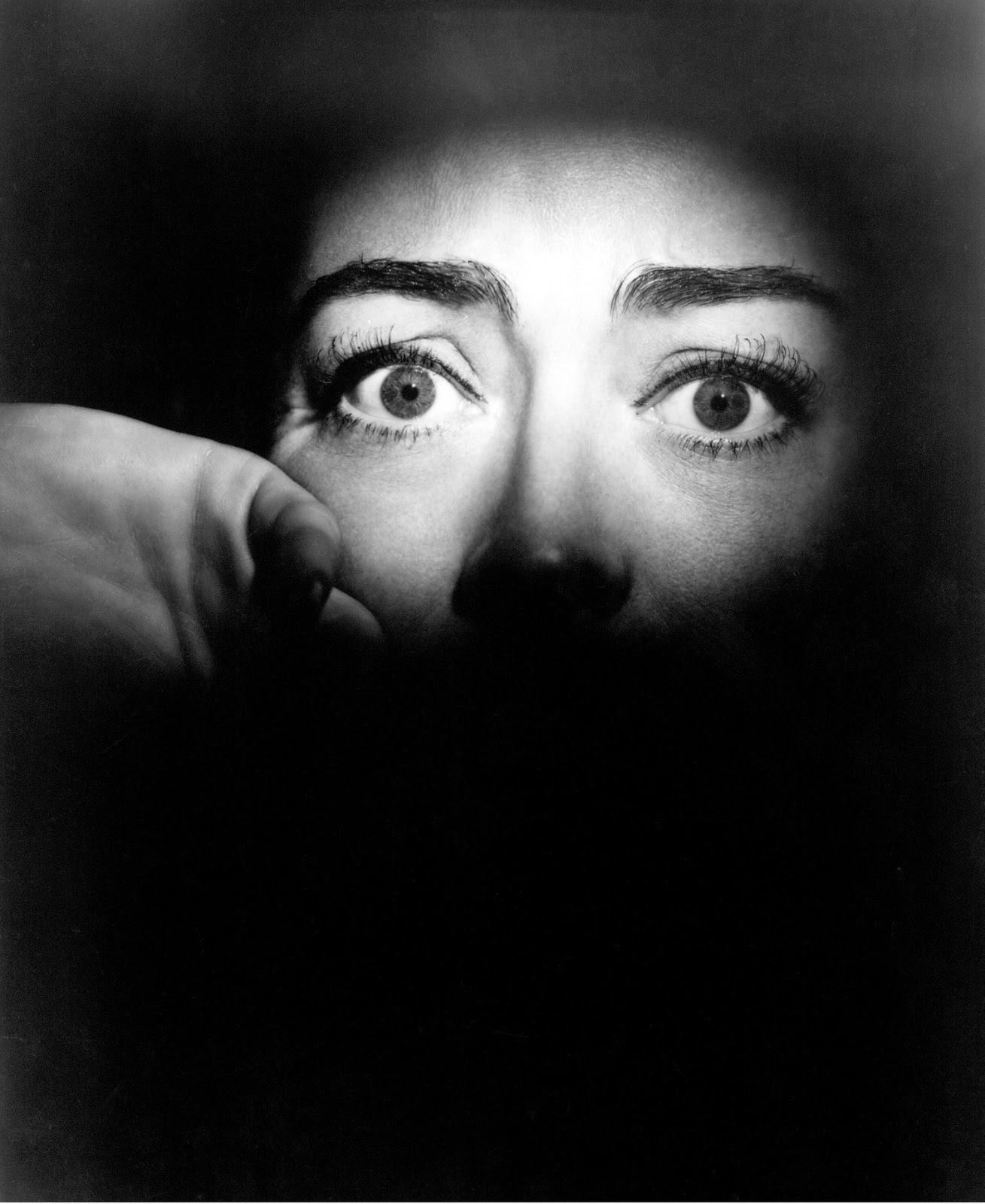
/ “Heartbreak … poised on a trigger of terror!” An agonized Joan Crawford in Sudden Fear (1952) /

From the Facebook event page:

Lobotomy Room Goes to the Movies is the FREE monthly film club downstairs at Fontaine’s bar (Dalston’s most unique nite spot!) devoted to Bad Movies We Love (our motto: Bad Movies for Bad People), specializing in the kitsch, the cult and the camp!

For the first Lobotomy Room film club of the New Year, let’s revel in some old-school pagan diva worship with Sudden Fear (1952) starring cinema’s bitch goddess extraordinaire (and eternal Lobotomy Room favourite) Joan Crawford! Wednesday 16 January 2019!

In the 1950s the perennially-fierce Crawford made a cycle of melodramas in which she played middle-aged women-in-peril tormented by younger lovers, including Autumn Leaves and Female on the Beach. All these films are genuinely great, but the zenith is hard-boiled film noir thriller Sudden Fear in which Crawford is a wealthy San Francisco socialite menaced by the duplicitous Jack Palance and the pouty and perverse Gloria Grahame. (Bad girl Gloria Grahame and Joan Crawford in the same film?! You don't want to miss this!).

Doors to the basement Bamboo Lounge open at 8 pm. Film starts at 8:30 pm prompt!


Seven years prior to Sudden Fear, Joan Crawford had won the Best Actress Oscar for her triumphant comeback role in Mildred Pierce (1945). But Crawford’s lengthy career was characterized by peaks and troughs and by the end of the decade, the juicy roles had dried-up once again. You can’t keep a gritty and resilient veteran diva like Crawford down for long, though, and she bounced back in the early fifties with an impressive string of hit movies. Sudden Fear is perhaps the most notable: the film was both a critical and commercial success in 1952 and earned Crawford her third and final Best Actress Academy Award nomination. (She was defeated by Shirley Booth in Come Back, Little Sheba).


/ "Every Suspenseful Moment... Every Embrace... Every Kiss - A Breathtaking Experience!" /

I’m the first to admit I know nothing about director David Miller (and judging by his filmography, he was something of a journeyman who did everything from war films to Westerns to Marx Brothers comedies) but he confidently and stylishly navigates the twists and turns of Sudden Fear. Set in San Francisco, it begins as an absorbing, soap-y love story between wealthy middle-aged playwright and high-society heiress Myra Hudson (Crawford) and ambitious, enigmatic young actor Lester Blaine (Jack Palance) and then dramatically shifts tone and becomes a tense, white-knuckle ride thriller when Myra begins to suspect Lester intends to murder her.


/ “Her one love shattered - her rival laughing - her life in danger – a new high in suspense melodrama!” /

Crawford was 47-years old at the time and Palance was 33. Crawford was a pioneering onscreen “cougar” in the fifties, routinely partnered with significantly younger leading men. Around this time, Crawford made multiple films where she portrayed middle-aged women-in-peril tormented by younger lovers. Tough guy Steve Cochran had already slapped her around in lurid noir melodrama The Damned Don’t Cry (1950). Female on the Beach (1955) and Autumn Leaves (1956) would follow. While all these films are irresistible must-sees, Sudden Fear is arguably the definitive in the cycle.


Crawford’s contract entitled her to dictate her leading men and her first choice for Sudden Fear was her old friend (and former lover) from the 1930s, Clark Gable – who would have been entirely wrong for the role! (Not to mention too expensive for the film's relatively modest budget). Her second choice was Marlon Brando. She had to be persuaded that the young and then mostly unknown Palance was the right choice to play the sinister and duplicitous husband. Palance - a former boxer with a strikingly battered face and a nose that had been broken multiple times - brings the perfect amount of convincing Brylcreemed menace, charm and sleazy urgency to the part of Lester.


Sudden Fear is a romantic triangle and co-stars the sin-sational Gloria Grahame (below) as Jack’s treacherous secret girlfriend Irene. Luscious Grahame excelled at playing film noir tarts, floozies and bad girls and her sullen, cat-like presence instantly makes any film she appears in more interesting. No one else ever looked or sounded remotely like Grahame (that quivering nasal voice!) and any time she rocks up in a movie, you know there is going to be trouble! (I still haven’t seen the 2017 biopic Film Stars Don’t Die in Liverpool starring Annette Bening).


It just wouldn’t be a Joan Crawford film without her feuding with someone – and she clashed with both Palance and Grahame during production. Crawford and the younger Grahame were both temperamental, strong-willed women, so the two of them intensely disliking each other was perhaps inevitable.  This story feels apocryphal, but this is what IMDb claims: “According to Jack PalanceJoan Crawford and Gloria Grahame did not get along and got into a physical altercation at one point during the filming. The fight started after Grahame sat on the edge of the set during one of Crawford's close-ups and very loudly sucked a lollipop in an attempt to anger Crawford. It worked, and Palance noted that the all-male crew watched the fight for a few moments rather curiously before stepping in to break it up.With the intense Palance, she was mystified by his aloof moodiness and his commitment to then-revolutionary New York Actors Studio “Method”-school of acting. Watching Sudden Fear, the antipathy between the actors is probably a bonus, adding to the film’s sense of seething tension. Certainly, the trio of Crawford, Palance and Grahame is film noir heaven.  


/ “I was made to live for him … to die for him … but now I could KILL him!” / 

Ultimately, Sudden Fear succeeds as true gold-plated “star vehicle” designed to showcase the mood swings of Crawford to maximum advantage. (Note that Miss Crawford’s wardrobe gets its own separate screen credit, split into gowns, lingerie, furs and hats). Sudden Fear finds her at the height of her powers as a seasoned, authoritative mature actress. Crawford, of course, began her film career as a hungry young starlet in the silent cinema of the 1920 and there are powerful wordless sequences in Sudden Fear where Crawford is essentially drawing on that history of silent acting. Watch how Crawford uses just her eyes and facial expressions to convey her anguish when she listens in horror to the crucial tape recording in which Lester and Irene are heard planning her murder, or the later scene where she’s hiding in a closet (and tormented by that unforgettable mechanical toy dog!). As the perceptive critic Sheila O’Malley has eloquently extolled, “In her half-century career, Joan Crawford was a master of so many elements of her craft: gesture and silhouette (a lost art), using the shape of her body to tell the story (another lost art), stepping into key lights with emotions at full-throttle (lost art, etc.), as well as the eternal arts of great actresses through time: belief in the reality of the story, understanding her role on an intimate level and a fearlessness in showing qualities considered unladylike or unattractive (rage, ambition, envy).” All of these qualities are abundantly demonstrated in Sudden Fear.


It’s gratifying to see how Crawford continues to be rehabilitated in recent years as the memory of the reputation-destroying Mommie Dearest (both book and film) recedes in the popular imagination.  (Credit should also be given to Jessica Lange’s complex and nuanced, ultimately sympathetic depiction of Crawford in Ryan Murphy’s deluxe 2017 TV mini-series Feud: Bette and Joan). At her best, Crawford is utterly mesmerizing to watch. If ever anyone inquired, “What was the big deal about Joan Crawford?”, point them towards Sudden Fear.


The February 2019 film club:


Lobotomy Room Goes to the Movies is the FREE monthly film club downstairs at Fontaine’s bar (Dalston’s most unique nite spot!) devoted to Bad Movies We Love (our motto: Bad Movies for Bad People), specialising in the kitsch, the cult and the queer!

Considering February is the month of Valentine’s Day, we’re presenting a love story: irresistible tear-jerking melodrama There’s Always Tomorrow (1956) by Hollywood’s undisputed maestro of deluxe “women’s pictures”, Douglas Sirk! Wednesday 20 February! Warning: this film is a masterpiece of romantic agony – you WILL cry! You bring the tissues, Fontaine’s will provide the cocktails!

There’s Always Tomorrow is unusual in the Sirk canon for two reasons: it focuses on the heartbreak of a man rather than a female protagonist. And it’s in black and white instead of Sirk’s trademark vivid Technicolour. Despite his outwardly perfect life, Clifford Groves (Fred MacMurray) is an affluent but unhappy Californian toy company executive in late middle age, taken for granted by his selfish family. Out of the blue, Norma Vail (Barbara Stanwyck), a former employee he hasn’t seen in years (now a chic and successful fashion designer) returns to his life – and represents one last chance at happiness. Will Clifford succumb to temptation? 

Doors to the basement Bamboo Lounge open at 8 pm. Film starts at 8:30 pm prompt. 

Event page.

Further reading:

Read my appreciation of Gloria Grahame in Human Desire (1954) - one of her definitive, masochistic roles - here. 

Read my reflections on Feud: Bette and Joan (2017) here.

Read my analysis of the 1956 Joan Crawford melodrama Autumn Leaves here.

Read Farran Smith Nehme's tribute to Crawford's performance in Sudden Fear here.

In August 2018 I spoke my brains to To Do List magazine about the wild, wild world of Lobotomy Room, the monthly cinema club – and my lonely one-man mission to return a bit of raunch, sleaze and “adult situations” to London’s nightlife! Read it - if you must - here. 
Follow me on twitter!
"Like" and follow the official Lobotomy Room page on Facebook if you dare!  

Tuesday, 22 January 2019

Lobotomy Room DJ Set List at Fontaine's 28 December 2018


From the Facebook event page:

Feeling jaded after Christmas? Didn’t get those cha cha heels you wanted? Come head-bang away those post-Christmas blues at Lobotomy Room! Friday 28 December 2018!

Yes! Revel in sleaze, voodoo and rock’n’roll - when incredibly bizarre dance party Lobotomy Room returns to the basement Bamboo Lounge of Dalston’s most unique nite spot Fontaine’s!

Lobotomy Room! Where sin lives! A punkabilly booze party! Sensual and depraved! A spectacle of decadence! A Mondo Trasho evening of Beat, Beat Beatsville Beatnik Rock’n’Roll! Bad Music for Bad People! Rockabilly Psychosis! Wailing Rhythm and Blues! Punk cretin hops! White Trash Rockers! Kitsch! Exotica! Curiosities! Think John Waters soundtracks, or Songs the Cramps Taught Us, hosted by Graham Russell. Expect desperate stabs from the jukebox jungle! Savage rhythms to make you writhe and rock!

Admission: gratuit - that’s French for FREE!

Lobotomy Room: Faster. Further. Filthier.

It’s sleazy. It’s grubby. It’s trashy - you’ll love it!

Let's end the year on a note of sleazy desperation!


/ Doesn't Christmas feel like it was a lifetime ago? /

Yikes! Considering the January 2019 Lobotomy Room dance party is this Friday (25 January), I’d better hurry up and post the December 2018 scene report. This one will probably be a rush job!

Organizing a club night in the social wasteland between Christmas and New Year’s Eve is always dicey. Will anyone even turn up? Huge swathes of people are likely to be out of town (London becomes a ghost town over the holidays), feeling lethargic after so much eating and drinking, or are skint post-Christmas. But Fontaine’s boss lady Ruby and I decided to plunge ahead with the December 2018 Lobotomy Room - and it turned out to be a successful, rowdy night. And we had some great dancers ripping it up on the floor until almost 2 am!


As you can see from the playlist below, I played a few tracks by Tiny Topsy. Discovering obscure mid-century rhythm and blues singers makes my world go round. If they’re an obscure rhythm and blues singer with a tragic and / or colourful backstory, even better! I think I first heard of Topsy via DJ Mark Lamarr’s radio show. Years later I spotted a Tiny Topsy CD displayed at one of the vendors at Viva Las Vegas Rockabilly Weekender and was struck by her intriguing appearance on the cover. I only just recently invested in one of her CDs - and she didn’t disappoint! Topsy’s identity has been shrouded in mystery for years: the skimpy AllMusic website biography for her shrugs, “For some years ‘Tiny Topsy’ was believed to be a pseudonym used by singer-songwriter Bernice Williams although this is now largely discounted. Just who Tiny Topsy was remains unknown.” The Wikipedia entry on Topsy is far more thorough: we now know she was born Otha Lee Moore (1930 – 1964) in Chicago and died tragically young aged just 34 of an intracerebral haemorrhage. Topsy didn’t get the opportunity to record much in her abbreviated life (and never scored any major hits), but her output is irresistibly tough, raunchy 1950s rhythm and blues belters. Her soaring, impassioned and soulful wail can favourably be compared to her better-known female R&B contemporaries like Big Maybelle, Big Mama Thornton and LaVern Baker. Adding to her appeal, the ironically-named Tiny Topsy (five feet tall, 250-pounds) looked like an escapee from a John Waters film. Seek her out!

Twenty Thousand Leagues - The Champs
Katanga - Ike Turner and His Kings of Rhythm
Exotic - The Sentinels
Monkey Bird - The Revels
Mau Mau - The Fabulous Wailers
Kismiaz - The Cramps
Papa Oom Mow Mow - The Rivingtons
Fujiyama Mama - Annisteen Allen
Three Cool Chicks - The 5.6.7.8s
Bullwinkle Part II - The Centurians
Adult Books - X
Train to Nowhere - The Champs
Khrushchev Twist - Melvin Gayle
Tarantula - The Tarantulas
You're the One for Me - Wanda Jackson
Dragon Walk - The Noblemen
I Don't Need You No More - The Rumblers
Vesuvius - The Revels
Killer - Sparkle Moore
Surf Rat - The Rumblers
Dames, Booze, Chains and Boots - The Cramps
No Good Lover - Mickey and Sylvia
Working On Me Baby - Tiny Topsy
The Big Bounce - Shirley Caddell
Underwater - The Frogmen
Save It - Mel Robbins
Oo Ba La Baby - Mamie Van Doren
Bop Pills - Macy "Skip" Skipper
I'm Blue - The Ikettes
Beat Party - Ritchie and The Squires
Strychnine - The Sonics
Little Queenie - The Bill Black Combo
Uptown to Harlem - Johnny Thunders and Patti Palladin
Jukebox Babe - Alan Vega
Atomic Bongos - Lydia Lunch
Riding with a Movie Star - L7
Viva Las Vegas - Nina Hagen
Wipe-Out - The Surfaris
I Can't Believe What You Say - Ike and Tina Turner
Here Comes the Bug - The Rumblers
Garbage Man - The Cramps
Blitzkreig Bop - The Ramonetures
Deuces Wild - Link Wray
Pedro Pistolas Twist - Los Twisters
Peter Gunn Locomotion - The Delmonas
Peter Gunn Twist - The Jesters
Gunnin' for Peter - The Fabulous Wailers
Hanky Panky - Rita Chao and The Quests
Woo-Hoo - The Rockateens
Bomb the Twist - The 5.6.7.8s
Viens danser le twist - Johnny Hallyday
Ultra Twist - The Cramps
Juvenile Delinquent - Ronnie Allen
Be Bop A Lula - Alan Vega
Let's Go Baby - Billy Eldridge and The Fireballs
Tongue Tied Jill - Charlie Feathers
Tongue Tied - Wanda Jackson
Your Good Girl's Gonna Go Bad - Tammy Wynette
Breathless - X
Rock Around the Clock - The Sex Pistols
Jailhouse Rock - Masaaki Hirao
Whistle Bait - The Collins Kids
Rockin' Bones - Ronnie Dawson
Whole Lotta Shakin' Goin' On - Big Maybelle
Rockin' the Joint - Esquerita
Wiped-Out - The Escorts
You Shoulda Treated Me Right - Ike and Tina Turner
You're Driving Me Crazy - Dorothy Berry
Bacon Fat - Andre Williams
What's Wrong with Me? X
Forming - Germs
I Wanna Be Sedated - The Ramonetures
Bombora - The Original Surfaris
Margaya - The Fender Four
You Sure Know How to Hurt Someone - Ann-Margret
Kissin' Cousins - Elvis Presley
Jim Dandy - LaVern Baker
Believe What You Say - Ricky Nelson
The Girl Can't Help It - Little Richard
The Wallflower (Roll with Me Henry) - Etta James
C'mon Everybody - Sid Vicious
Sweetie Pie - Eddie Cochran
Jim Dandy - Ann-Margret
Domino - Roy Orbison
Aw! Shucks Baby - Tiny Topsy


/ The glorious Ike and Tina Turner Revue photographed in 1968 - surely one of the cultural high points of 20th century Western civilization? Let’s have a heated debate! /

I've knocked-together a Spotify playlist of all the tracks I played at the December 2018 Lobotomy Room. You can listen to it here. As ever, not all the songs were available on Spotify, so in parts this playlist is an approximation! And for the full "you-were-there" experience, disable the "shuffle" option and listen to in sequence! 

Further reading: 

In August 2018 I spoke my brains to To Do List magazine about the wild, wild world of Lobotomy Room, the monthly cinema club – and my lonely one-man mission to return a bit of raunch, sleaze and “adult situations” to London’s nightlife! Read it - if you must - here. 


Follow me on twitter!

"Like" and follow the official Lobotomy Room page on Facebook if you dare! 
 

The next Lobotomy Room club is Friday 25 January 2019!


Now for the uninhibited broad-minded sin set! Revel in sleaze, voodoo and rock’n’roll - when incredibly strange dance party Lobotomy Room returns to the basement Bamboo Lounge of Dalston’s most unique nite spot Fontaine’s! Friday 25 January!

Lobotomy Room! Where sin lives! A punkabilly booze party! Sensual and depraved! A spectacle of decadence! A Mondo Trasho evening of Beat, Beat Beatsville Beatnik Rock’n’Roll! Bad Music for Bad People! Rockabilly Psychosis! Wailing Rhythm and Blues! Twisted Tittyshakers! Punk cretin hops! White Trash Rockers! Kitsch! Exotica! Curiosities and Other Weird Shit! Think John Waters soundtracks, or Songs the Cramps Taught Us, hosted by Graham Russell. Expect desperate stabs from the jukebox jungle! Savage rhythms to make you writhe and rock! Vintage erotica projected on the big screen all night for your adult viewing pleasure!

Admission: gratuit - that’s French for FREE!

Lobotomy Room: Faster. Further. Filthier.

It’s sleazy. It’s grubby. It’s trashy - you’ll love it!

A tawdry good time guaranteed!


Thursday, 10 January 2019

Reflections on ... Friday Foster (1975)


Recently watched: Friday Foster (1975). Tagline: “Her name is Friday, but you can love her any day of the week!” An irresistibly trashy and lurid late entry in the seventies Blaxploitation genre, Friday Foster is no masterpiece, but it's vivid and wildly entertaining. 

In the action-packed but incomprehensible plot, glamorous, gutsy, fun-loving, fearless and intrepid ex-fashion model-turned-photojournalist titular heroine Friday Foster (Pam Grier) gets caught up in a complicated and impossible-to-follow narrative about an assassination attempt against the world’s wealthiest African-American magnate Blake Tarr. From there: something something … her fashion model best friend Cloris gets murdered … something something … the action keeps shuttling between Los Angeles and Washington … something something … an assassin who knows Friday know too much keeps trying to kill her … something something … Friday has an obligatory nude shower scene … something something  … Friday steals a hearse from Cloris’ funeral to evade her killer … something something … car chases and shoot-outs ensue … something something … a genuinely tense and suspenseful chase scene in an abandoned warehouse … something something … private detectives and political conspiracy theories … something something … political intrigue, murder and a conspiracy theory called “Black Widow” ... something something … helicopters!


But frankly, who cares when it’s this much fun? Friday Foster is never remotely boring, and I’d rather watch the buxom, stylish Pam Grier outwitting villains than tired old honky James Bond. On the plus side: the blistering funk soundtrack is sensational. (Of course, it instantly evokes not just Blaxploitation but the golden age of retro porn! On the addictive theme tune, the female chorus coos “Hey Friday watcha doin’? / Watcha doin’? Friday / Friday / Get it on! Do it!”). There are copious gratuitous glimpses of naked female boobage. All the male characters sport safari-style leisure wear with huge collars and flared trousers. The seventies cars, costumes and earth-toned décor are kitsch heaven. The low-life milieu of pimps and hookers is well-represented. Huge snifters of cognac signify the height of aspiration, sophistication and conspicuous consumption. Blake Tarr seduces Friday in a hot tub! I love that all the central characters are defiantly black and that everything is saturated in a Black Power message.


/ The height of sophistication: big fishbowl snifters of cognac /


/ Ladies and gentlemen ... Ms Eartha Kitt as "the magnificent Madame Rena!" / 

(An aside: Jim Backus (Gilligan's Island / Mr Magoo / Rebel without a Cause), Scatman Crothers and Ted Lange (Isaac from Love Boat) round out the truly bizarre cast!). 

(Another aside: Grier’s wardrobe is fiercely chic throughout. Check out the scarf emblazoned with “YVES ST LAURENT” in block letters to ensure you don’t miss she's wearing the high-end luxury label).


Leading lady majestic, statuesque and frequently-naked Grier was the supreme goddess / female superstar of Blaxploitation (her closest rival: Tamara Dobson in the Cleopatra Jones movies). As utterly magnetic as Grier is, for me she is comprehensively upstaged by scarily-intense veteran sex kitten extraordinaire Eartha Kitt in a fleeting “guest star” appearance as bitchy fashion designer Madame Rena. (The poolside fashion show segment is like an ultra-low rent version of Diana Ross’ Mahogany (1975)). By this time, temperamental chanteuse Kitt was 48-years old, long past her 1950s heyday and widely regarded as washed-up. In Friday Foster the diva is onscreen for maybe ten minutes and yet she wrings maximum dramatic impact from every second! Wearing a ratty wiglet, durable pro Kitt approaches the role as if she’s still playing Catwoman on TV’s Batman series and is gloriously campy and almost drag queen-like. SPOILER ALERT: wait until you see Kitt’s death scene!


/ Madame Rena on the topic of her arch rival, Ford Malotte /


Reflecting the prejudices of the time, Friday Foster is casually, outrageously homophobic. (The gay characters are treated as a freaky, titillating joke. As the kids today would say, Friday Foster is "problematic"). Madame Rena rages against her haute couture competitor Ford Malotte: “This plastic faggot couldn’t design a handkerchief, let alone a dress!” Eventually we catch up with Malotte himself – a stereotypical acid-tongued queen – surrounded by his entourage in a sleazy homosexual dive bar in Washington. (Positioned as unsympathetic, Malotte turns out to be a queer sexist who suggests Friday, "Go home. Get laid. Have a baby."). Yeah, the depiction is pretty hateful and cliched, but it’s also a fascinating snapshot of social history. And damn, that dank red-lit gay bar setting looks inviting!


/ Kudos to effervescent Todd Brandt of the essential Stirred, Straight Up with a Twist blog for pointing out to me that Ms Eartha’s enraged “teeth-gritting telephone scene” beautifully echoes Diana Ross’ telephone tantrum in Mahogany! And that “the sketch of what appears to be a 1950s Edith Head gown (pictured behind Kitt is) completely unlike any of the sleazy Qiana halter numbers from Madame Rena’s show!” /

Further reading:

Check out my reflections on Eartha Kitt's underrated, long-forgotten 1970 album Sentimental Eartha here.


Thursday, 3 January 2019

Reflections on ... Monique (1970)


/ Doesn't that swirly retro font instantly promise "erotic film"? /

Recently watched: Monique (1970). I saw in the early hours of 2019 in the manner I intend to continue - watching a dirty movie! I was crashed-out on the sofa after getting in from celebrating New Year’s Eve. My boyfriend had gone to bed. Flicking through the TV stations, I heard the announcer for London Live caution that the proceeding film contained “sexual situations”. Say no more – I’m interested! Monique kept me glued to the screen until 3:30 am!


/ Joan Alcorn as frustrated housewife Jean, on the cusp of her erotic awakening /

The one-sentence IMDb synopsis: “Monique is a vivacious French au pair girl who not only looks after the children, but also sexually satisfies the parents.” Monique is a gloriously tawdry, tatty low-budget British sexploitation film with the kind of décor and clothing that screams “made-in-1969”: in other words, catnip for me. At points it almost felt like a British interpretation of Russ Meyer’s Vixen relocated to South East England suburbia! 
Protagonists Bill and Jean are a stressed young middle-class couple with two children going through a dry patch in their marriage who decide to get a European nanny to assist around the house. They get more than they bargained for with the arrival of go-go booted, micro-mini skirted French temptress Monique. The personification of Continental sophistication, the sexually-assured and liberated Monique is great with the kids, an accomplished cook – and a skilled seductress who lures both husband and wife into bed. 


/ Monique and Jean in an intimate moment /

Monique isn’t the lame Carry On-style “sex comedy” you might expect. It builds convincing sexual tension between the trio and takes a surprisingly sympathetic, non-judgmental and non-exploitative stance on their ménage trois. Bit of a spoiler, but no one gets "punished" for transgressing and at the conclusion Bill and Jean’s dalliance with Monique is shown to spark an erotic awakening that brings them closer together. (And this is decades before concepts like  polysexuality, sexual fluidity and non-monogamy were hot topics). 


/ Altering a dress for Jean, Monique seizes the opportunity to cop a feel. Bill is oblivious /

Director John Bown frequently makes unexpectedly stylish choices. The acting is surprisingly subtle, and the casting is interesting. Bill the husband is a bit ineffectual and weak-willed, but not a one-dimensional lecherous wolf (and the actor who plays him - David Sumner - is a dark-eyed hottie). Joan Alcorn as the frustrated wife gives perhaps the the most nuanced performance in Monique. You genuinely feel that Jean has undergone a transformation by the end. Rather than a stereotypical teenage Lolita / nymphette, Sibylla Kay (the actress who plays the voracious Monique) is a sultry adult woman who appears to be in her early thirties. Striking and unsettling rather than conventionally beautiful, Kay exerts a powerful presence and an almost Marlene Dietrich-like aura of mystery. 


Sibylla Kay as the free-spirited sensualist Monique /
Some of the action takes place over Christmas, so as a bonus watching it also felt festive! (They sure liked cheap tinsel on their Christmas trees in '69). Monique is both a time capsule of the swingin' “permissive era” and an unexpected gem. As The Movie Waffler blog concludes, "With its middle class British setting, Monique resembles an episode of something like George and Mildred guest directed by Teorema-era Pasolini." Is there any higher recommendation?

I was crushed to discover Monique isn't available on YouTube! But thankfully its irresistibly lurid trailer is.


Tuesday, 1 January 2019

Reflections on ... Polyester (1981)


From the Facebook event page:

Lobotomy Room Goes to the Movies is the FREE monthly film club downstairs at Fontaine’s bar (Dalston’s most unique nite spot!) devoted to Bad Movies We Love (our motto: Bad Movies for Bad People), specializing in the kitsch, the cult and the queer! For the final cinema club of 2018 (on Wednesday 19 December), let’s wind things down with a crowd-pleaser – John Water’s delirious 1981 black comedy Polyester!

A parody of 1950s “women’s pictures”, Polyester sees 300-pound drag monster / leading lady Divine cast against type (and giving one of his definitive performances) in a rare sympathetic role, as long-suffering suburban housewife Francine Fishpaw! It’s an apt choice for last film of 2018 for two reasons: 2018 represented the 100th anniversary of the birth of beloved punk granny Edith Massey (1918 –1984) and Polyester represents her last appearance in a John Waters film. And dreamboat leading man Tab Hunter (1931 – 2018) died earlier this year. 

Doors to the basement Bamboo Lounge open at 8 pm. Film starts at 8:30 pm prompt. Arrive early to grab a seat and order a drink! We can accommodate 30 people maximum. First come, first serve! Note that Fontaine’s Christmas cocktail menu will be available, and the featured cocktail of the night is hot buttered rum!


IMDb’s synopsis: “A suburban housewife's world falls apart when she finds that her pornographer husband is serially unfaithful to her, her daughter is pregnant, and her son is suspected of being the foot-fetishist who's been breaking local women's feet.”


/ Divine as Francine Fishpaw /

A twisted black comedy incorporating divorce, abortion, adultery, alcoholism, foot fetishism, pornography and Christian fundamentalism – Polyester truly has it all! In fact, I’d argue Polyester may be Sultan of Sleaze / The Peoples’ Pervert John Water’s most underrated film. (I won't lie: we had a disappointingly low turn-out for this screening, in fact – which ended the year on a bit of a downer!). I’ve cobbled together below some thoughts, reflections and fun factoids based on my introduction to the film at the December 2018 Lobotomy Room cinema club.

Polyester was filmed over three weeks in October 1979. From the opening shot, the setting is notably posher: the affluent, leafy suburbs of Baltimore this time rather than the gutters, slums and trailer parks featured in Waters’ earlier cinematic atrocities.


In terms of Waters’ filmography, Polyester comes after dystopian lesbian-punk nightmare Desperate Living (1977). There followed a lengthy gap until he made Hairspray in 1988. Polyester can be viewed as a transitional film between Waters’ ultra-raunchy earlier shockers and the relatively more polished and accessible bigger-budgeted films from Hairspray onward. Polyester was the first Waters film to receive an R rating (all his previous ones were slapped with an X).


Obviously, at Fontaine’s we watched Polyester sans the scratch-and-sniff Odorama cards (the original William Castle-inspired gimmick Waters used to promote the film with in 1981). It hardly mattered – Polyester is wildly enjoyable without them. (Trivia: for insurance reasons, Waters was obligated to prove that if anyone ate an Odorama card they wouldn’t die!).


Last time we saw Divine in a Waters film, she was screaming hideously while being electrocuted at the grisly conclusion of Female Trouble (1974). The tone of Polyester is radically different, lovingly referencing and emulating the deluxe 1950s melodramas of Hollywood maestro Douglas Sirk (it plays like a gleefully perverse soap opera) and offers him a rare sympathetic role compared to the monstrous likes of Babs Johnson in Pink Flamingos or Dawn Davenport in Female Trouble. Clad in a wardrobe of garish muumuus and resembling Liz Taylor at her most zaftig, here Divine is long-suffering, much-abused and taken-for-granted 44-year old housewife and mother Francine Fishpaw (“I’m a good Christian woman!”) and he is simply magnificent. Divine never “phoned-in” a performance in his life, but his depiction of Francine’s anguished descent into alcoholism and nervous collapse is an acting tour de force.


Polyester’s heroine Francine is tormented by her dysfunctional family. She is mortified by her sleazy husband Elmer’s hardcore porn cinema. (On the local TV news, a female protester screams, “His theatre caters to sex offenders!” “All the neighborhood women spit at me when I’m at the shopping mall!” Francine wails. “You wouldn’t be at the shopping mall if it wasn’t for my theatre!” Elmer argues). Elmer calls Francine “a fat hunk of cellulite!” and is also brazenly cheating on her with his secretary Sandra (Waters regular Mink Stole, wearing her hair in Bo Derek-inspired cornrow braids, who says things like, “Children would only get in the way of our erotic lifestyle!”). Sexpot teenage daughter Lulu is out of control – and pregnant.  (In the context of Douglas Sirk films, bad girl Lulu in her spray-on Spandex wardrobe and blow-dried Farrah Fawcet hairstyle is in the lineage of Dorothy Malone in Written on the Wind (1956) or Susan Kohner in Imitation of Life (1959)). Lulu aspires to be a go-go dancer. “You dance lewdly for the boys at lunch period?!” Francine demands. “For a quarter I will!” Meanwhile, Francine’s cruel harridan mother LaRue heaps abuse on her for her advanced avoirdupois while pilfering money from her purse. And most worryingly, Francine’s profoundly troubled delinquent son Dexter just may be the Baltimore Foot Stomper!


/ Cuddles (Edith Massey) tries to cheer up Francine (Divine) /

On the plus side, the Fishpaw home is a nouveau riche paradise with powder-blue décor (“French provincial / they do their best to stay neutral …” as the title song puts it). Francine also finds solace in her friendship with Cuddles Kovinsky (Edith Massey), her simple-minded former housekeeper who’s inherited a fortune and reinvented herself as a high-society debutante. (LaRue is horrified by the childlike and cheerful Cuddles. “Your "best friend"? She was your cleaning lady, Francine! Are you that unpopular that you seek out the social company of your maid? She was a scrub woman! Give her carfare, a ham at Easter, but for God's sake, don't hang around with her!” When LaRue encounters Cuddles in Francine’s driveway, she struggles to find conversational common ground. “Scrubbed any interesting toilets lately?”). And just who is the handsome and enigmatic Todd Tomorrow (Tab Hunter) Francine keeps encountering?


/ "Read my lips: I love you ..." Todd Tomorrow (Tab Hunter) and Francine Fishpaw (Divine) /

Waters has pointed out that with the comparatively naturalistic make-up Divine wears in Polyester hiding his five o’clock shadow was a genuine dilemma. At one point, Elmer sneers that Francine is “the hairiest woman I have ever seen!”


For any punk fans, note that Bo-Bo Belsinger (the surly boyfriend of wild child Lulu) is played by Stiv Bators (1949 – 1990), feral frontman of Cleveland punk band Dead Boys.

The major coup for Waters here was luring erstwhile 1950s Hollywood dreamboat Tab Hunter to appear as Francine’s duplicitous love interest, Todd Tomorrow.  Long before Johnny Depp in Cry-Baby (1990) or Kathleen Turner in Serial Mom (1994), this was the first time an established mainstream Hollywood super star would deign to appear in a John Waters film. (Although it must be noted Hunter was considered washed-up at this stage). Hunter (then 48-years old, still devastatingly handsome and in full DILF mode – especially in his ruffled pink formal wear) proves a great sport, happily satirizing himself, and even has an onscreen love scene with Divine. (“Let me kiss away your DTs, honey … let’s make love, you sweet little thing!” Todd purrs to Francine).


An aside: Hunter’s participation in such a brazenly queer, campy film was brave considering he was then still firmly closeted. (He wouldn’t divulge his homosexuality until he released his 2005 autobiography Tab Hunter Confidential: The Making of a Movie Star). He may have been a has-been, but Waters has pointed out Hunter didn’t come cheap - he could only afford Hunter’s services for one week. Hunter and Divine would re-team three years later for the comedy Lust in the Dust (1985) directed by Paul Bartel. (While not in the same league as a Waters film, the Spaghetti Western parody is worth catching). I have one anecdote about the sole occasion I encountered Hunter at The British Film Institute in 2015. He was then 83-years old and his devastatingly rugged good looks were still intact! Read it here.


/ Todd and Francine on their idyllic first date /

I inadvertently misled the audience about something in my introduction: I claimed the opening theme tune was composed by Chris Stein and Deborah Harry of Blondie – and sung by Bill Murray. That’s wrong! It’s Tab Hunter crooning the title song over the introductory credits. (“You know about abundant women / Well, this girl only aims to please / Outside there's a load of noisy neighbours / Upstairs there's a polyester squeeze”). Bill Murray in fact sings the tender ballad “The Best Thing” that soundtracks the romantic first date montage of Francine and Todd frolicking in soft focus. 


Hunter died on 8 July 2018, so this was Lobotomy Room’s end-of-year tribute to him. And 2018 represented the centenary of the birth of Edith Massey (she was born on 28 May 1918), so we celebrated her memory too. I venerate gap-toothed Massey as Waters’ maverick, naive “outsider actress” and punk rock granny. Polyester was Massey’s last appearance in a Waters film (she died aged 66 in 1984) and her performance as house cleaner-turned-socialite Cuddles Kovinsky is simply glorious and a worthy conclusion to her bizarre film career. I especially love Cuddles’ habit of randomly sprinkling high-toned French bon mots into her conversations. She describes Elmer’s mistress Sandra as “straight from the gutter! A regular fille de joie!” “Isn’t it ra sha sha?” she exclaims upon entering a fancy boutique. Later, she screeches at the shop assistant, “You’re a regular little cochon - and that means pig!” The scenes with Divine and Massey together can’t help but feel poignant in retrospect and offer some of Polyester’s highlights. What a lunatic, inspired comedy double-act these two were! The Lucy Ricardo and Ethel Mertz for generations of queers, punks, misfits, drag queens and freaks! 


Further reading: 
Read my epic 2010 interview with John Waters here.
In August 2018 I spoke my brains to To Do List magazine about the wild, wild world of Lobotomy Room, the monthly cinema club – and my lonely one-man mission to return a bit of raunch, sleaze and “adult situations” to London’s nightlife! Read it - if you must - here. 
Follow me on twitter!
"Like" and follow the official Lobotomy Room page on Facebook if you dare!  
Next film club:

Lobotomy Room Goes to the Movies is the FREE monthly film club downstairs at Fontaine’s bar (Dalston’s most unique nite spot!) devoted to Bad Movies We Love (our motto: Bad Movies for Bad People), specializing in the kitsch, the cult and the queer!
For the first Lobotomy Room film club of the New Year, let’s revel in some old-school pagan diva worship with Sudden Fear (1952) starring cinema’s bitch goddess extraordinaire (and eternal Lobotomy Room favourite) Joan Crawford! Wednesday 16 January 2019!
In the 1950s the perennially-fierce Crawford made a cycle of melodramas in which she played middle-aged women-in-peril tormented by younger lovers, including Autumn Leaves and Female on the Beach. All these films are genuinely great, but the zenith is lurid film noir thriller Sudden Fear in which Crawford is a wealthy San Francisco socialite menaced by the duplicitous Jack Palance and the pouty and perverse Gloria Grahame. (Bad girl Gloria Grahame and Joan Crawford in the same film?! You DON’T want to miss this!).
Doors to the basement Bamboo Lounge open at 8 pm. Film starts at 8:30 pm prompt! Event page.